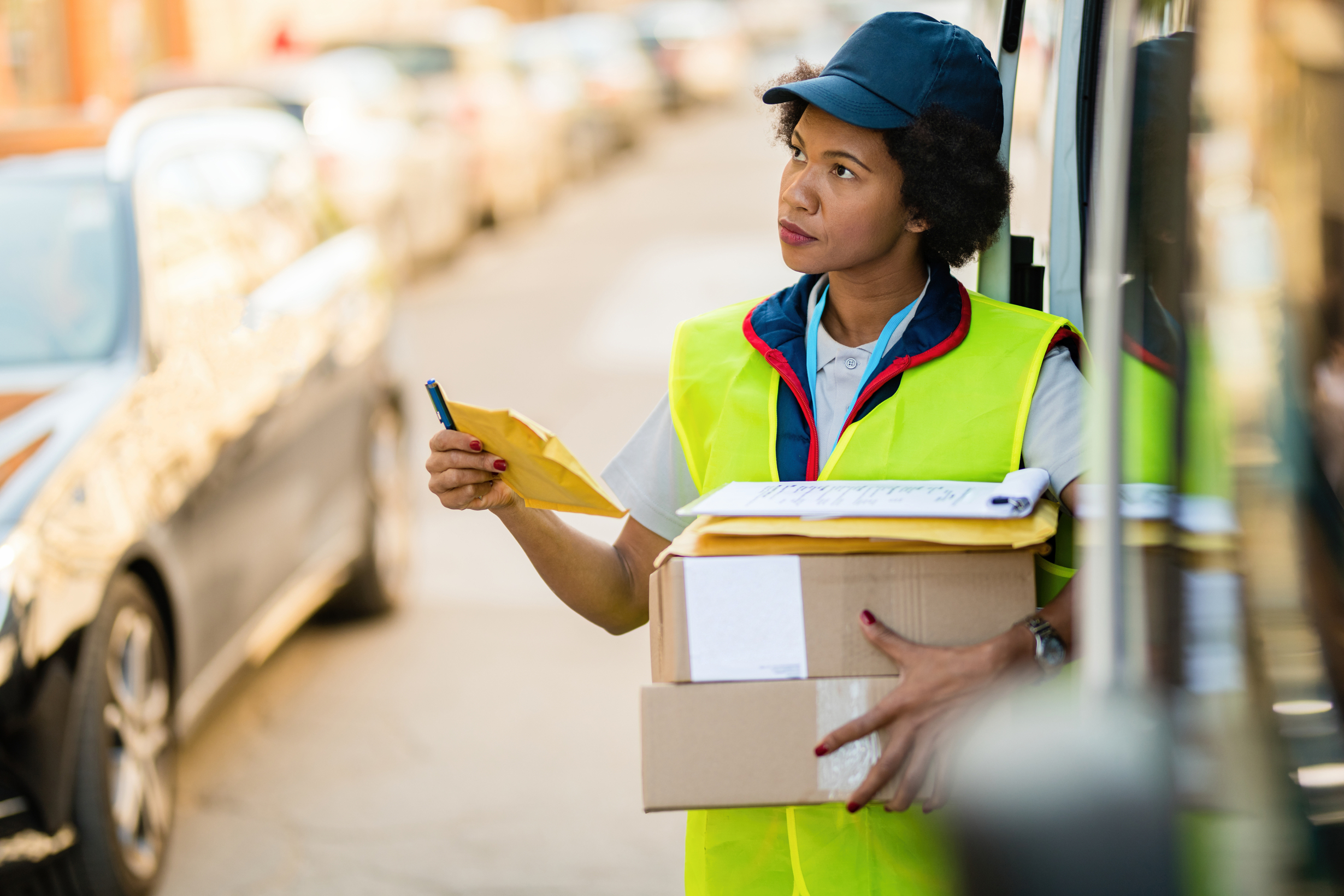

How do 3PLs make money? It’s a question many businesses ask when they start exploring outsourced logistics.
Some 3PLs earn by charging for storage, handling, and fulfillment. Others depend on volume, speed, or value added services. These choices influence how they design their systems, how much efficiency they invest in, and their commitment to your business growth.
Once you understand how 3PL works, the entire supply chain becomes easier to navigate. In this article, we break down the major ways 3PLs earn revenue and how each model affects your business.
What is a 3PL?
If you’re new to logistics, 3PL providers play a huge role in helping businesses move products efficiently. They act as operational partners and take over tasks like shipping, warehousing, and inventory control so you can focus on growth.
We already explained the full definition in our article on What is 3PL? — you can read it to understand the basics before diving deeper. As e-commerce grows across Africa and beyond, the demand for efficient 3PL logistics makes these providers key players in modern supply chains.
How 3PLs Make Money
.jpg)
To fully answer how 3PLs make money, you need to understand that the 3PL business model is built on multiple income channels. These revenue streams vary depending on the service type, client volume, and industry specialization.
Below are the main ways 3PLs generate income.
1. Warehousing and Storage Fees
One of the main ways 3PL providers earn revenue is through warehousing and storage fees, a core part of modern warehousing services. Businesses pay these fees to store inventory in third-party facilities instead of building and managing their own infrastructure.
Thus, charges may be based on pallets, shelves, cubic metres, or monthly storage levels. Since 3PLs invest heavily in security, technology, and skilled labour, clients pay to use this complete setup. These fees form a stable income stream within 3PL logistics as they help brands strengthen their shipping and logistics operations.
2. Order Fulfilment, Picking, and Packing Fees
Order fulfilment is another most profitable stream for 3PL providers. They pick items, pack orders, complete quality checks, and prepare shipments. Businesses value these e-commerce fulfillment services because fast, accurate delivery improves customer experience.
Some of these providers charge per pick, order, or package. Since brands depend on reliable 3PL services to manage rising order volumes, fulfilment remains a powerful income stream.
3. Transportation and Shipping Fees
Transportation drives a large part of revenue for 3PL companies because they organise and manage local, national, and international movements. They negotiate high rates with carriers, move large shipment volumes, and offer full freight logistics support. This may include express delivery and fragile handling.
In addition, many 3pls run freight forwarding operations. In this model, they buy shipping space from airlines, ocean carriers, or transport companies at wholesale prices. They then resell that space to clients with a margin. This approach works because clients pay for convenience and smooth cross-border handling, while the 3PL earns extra revenue without owning any trucks, ships, or planes.
👨💻For more info on international shipments, read Everything you Need to Know About Shipping Air Cargo to the UK
4. Value-Added Services (VAS)
As a service-based model, 3PL companies earn revenue by offering value-added solutions that support more complex needs. They handle kitting, assembly, custom packaging, relabelling, returns processing, and product repairs.
These specialised logistics services require skilled teams, equipment, and extra time. As such, they charge higher fees for them. E-commerce businesses choose these services because they improve efficiency and reduce in-house workload.
5. Technology and Software Fees

3PL providers earn revenue from technology by charging subscription fees, integration fees, and premium access to their digital tools. They offer tracking systems, real-time dashboards, e-commerce integrations, and analytics that help brands manage operations more efficiently.
Many 3PL companies also partner with platforms like Terminal Africa to streamline shipping and logistics and courier selection. These partnerships strengthen their 3PL services and create new income opportunities.
📝If you want to build your logistics business using smart digital tools, see our guide on Starting a Logistics Business with Little or no Money Using T-Hub
6. Customised Fulfilment and Industry-Specific Solutions
3PL providers earn premium revenue when they offer customised fulfilment for specific industries and products. They support brands that require cold-chain storage, luxury product handling, oversized cargo management, hazardous material shipping, or temperature-controlled warehousing services. These specialised 3PL services demand advanced tools, strict safety processes, so 3PL companies charge higher fees for them.
For example, a skincare brand may depend on customised fulfilment to keep temperature-sensitive products stable from storage to delivery.
What Influences a 3PL’s Profitability?
.jpg)
Many 3PL companies earn high revenue, but their actual profit depends on how well they manage operations. Several factors influence how profitable 3PL providers become, especially in competitive markets:
- Operational efficiency: They improve profits when they streamline processes, automate tasks accurately.
- Technology integration: Digital tools reduce HS code errors, speed up workflows, and cut unnecessary costs.
- High client and order volume: More orders allow them to spread fixed costs across multiple brands.
- Warehouse utilisation: Full, active facilities generate strong revenue, while empty space limits growth.
- Range of service offerings: Providers who offer diverse 3PL services create more revenue streams and attract wider clients.
Read our post on the New AI HS Code feature for automated, accurate customs classification and billing.
Why Choose Terminal Africa?
Terminal Africa gives your business a simple, powerful way to manage deliveries and scale with confidence. Our platform brings your team together with automated workflows, real-time updates, and simple integrations that make shipping and logistics easier to manage. You can track parcels, compare rates, generate labels, and handle key documentation without stress. Your customers get faster deliveries, and you stay in control with clear insights across your entire shipping process.
“Terminal has made the process of booking shipments faster and less stressful. With just a few clicks, I can generate a shipping label for my customers in under two minutes.” – Founder and CEO, THEPEP
⭐ Discover how local businesses use Terminal Africa.
Want to level up your shipping experience? Our software makes it easier!
Schedule a FREE consultation with us today!
FAQs About 3PLs
1. What is a 3PL?
A 3PL is a company that manages outsourced logistics operations such as warehousing, fulfilment, shipping, and inventory management for other businesses.
2. How does a 3PL charge for its services?
Most 3PLs charge based on storage fees, fulfilment fees, shipping costs, and additional value-added services.
3. Is outsourcing to a 3PL cost-effective?
Yes. Outsourcing eliminates the cost of owning warehouses, hiring logistics staff, or managing complex supply chain operations internally.
4. Do 3PLs work for small businesses?
Absolutely. Many 3PLs offer flexible, scalable packages that fit the needs and budgets of small and medium-sized businesses.
5. How much does a 3PL cost per month?
A 3PL can cost a few hundred dollars to several thousand per month, depending on your order volume, storage needs, and the logistics services you use.
6. 3pl vs dropshipping vs in-house fulfilment
A 3pl stores your products and ships orders for you. Dropshipping sends orders directly from suppliers, which reduces costs but gives you less control. In-house fulfilment keeps everything under your management, but it becomes expensive and time-consuming as you scale.