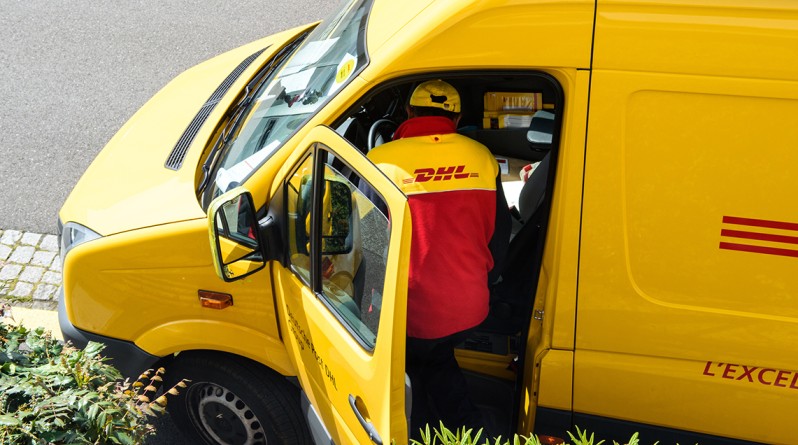

"What is 3PL?" is a question many growing businesses ask. In the early stages, in-house logistics feels manageable, but as orders increase, the workload increases too. As a result, shipping becomes harder to coordinate without a trained logistics team. These challenges push business owners to look for more innovative, more reliable solutions.
In this guide, you will learn how a 3PL works and the benefits of using a 3PL.
What is 3PL?
3PL stands for third-party logistics, and it plays a significant role in modern business growth. It is a system where companies outsource logistics and supply chain operations to an external expert. These partners handle essential tasks such as storage, packaging, order processing, and distribution.
A 3PL provider offers the infrastructure, workforce, technology, and delivery networks that many businesses cannot build on their own. This support allows companies to focus on product development, marketing, and customer experience while the 3PL handles the physical movement of goods.
A 3PL helps companies optimise delivery experience by improving speed, accuracy, and efficiency.
How 3PL Services Work
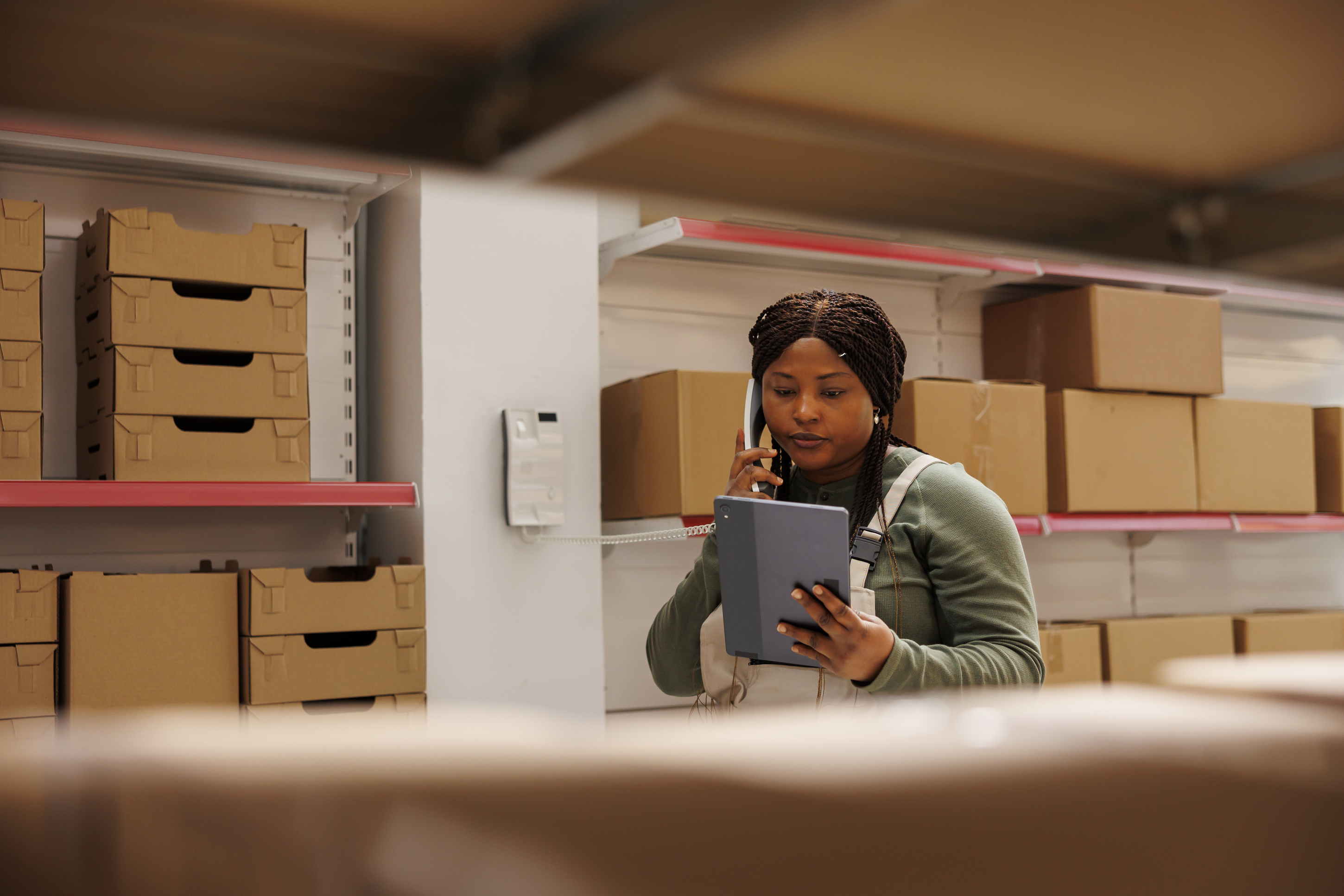
Curious about what a 3PL actually does behind the scenes? Here is a breakdown of how 3PL services work.
1. Receiving Inventory
The process starts when you send products to the 3PL warehouse. The team checks each item, confirms quantities, and logs everything into their system.
2. Warehousing and Storage
After receiving your stock, the third-party logistics company organizes it in storage zones based on category, size, or demand. A reliable 3PL provider uses technology to track stock levels.
3. Order Processing and Fulfillment
When a customer places an order on your website or marketplace, the 3PL receives it automatically through a software integration. They pack the orders and prepare the shipment based on your brand's requirements. Many third-party logistics providers offer custom packaging options so that your customers receive a branded unboxing experience.
4. Shipping and Delivery
The 3PL partners with several carrier companies to deliver packages. They choose the fastest or most cost-effective carrier for each destination. For instance, if a customer in Lagos places an order at night, the 3PL may ship it out the next morning using the courier that offers the shortest delivery time.
To improve your shipping process even more, read the 3 Things You Need to Do Before Sending Shipments.
5. Returns Management
If customers want to return a product, the 3PL handles the entire workflow. They inspect the item and process the return according to your policy. This service saves your business time and helps maintain a positive customer experience.
Types of 3PL Services

There are different kinds of 3PL providers. Each offers support at various points of the logistics process. Some specialize in transportation, while others handle end-to-end fulfillment. Below are the main types you'll come across:
Transportation-Based 3PL
These companies specialize in transporting goods. They coordinate truck shipments, freight movement, and long-distance logistics. Businesses that only need help with delivery often choose this type.
Warehousing and Delivery-Based 3PL
This is the most common type of 3PL provider. These 3PLs focus on storage, packing, and shipping. E-commerce businesses often choose this model because it handles most shipping activities.
Financial and Information-Based 3PL
Financial and information-based 3PLs focus on the data and cost side of logistics. They offer tracking, freight payment, analytics, and reporting to help businesses make smarter decisions. These providers operate more like consultants than traditional logistics partners.
Information Technology-Based 3PL
This type of 3PL uses digital platforms to connect businesses with affordable logistics options. Instead of running warehouses or fleets, they depend on technology to match shipments with reliable carriers. Likewise, some operate like online marketplaces where you can compare quotes and choose top-rated service providers.
Benefits of Using a 3PL Partner
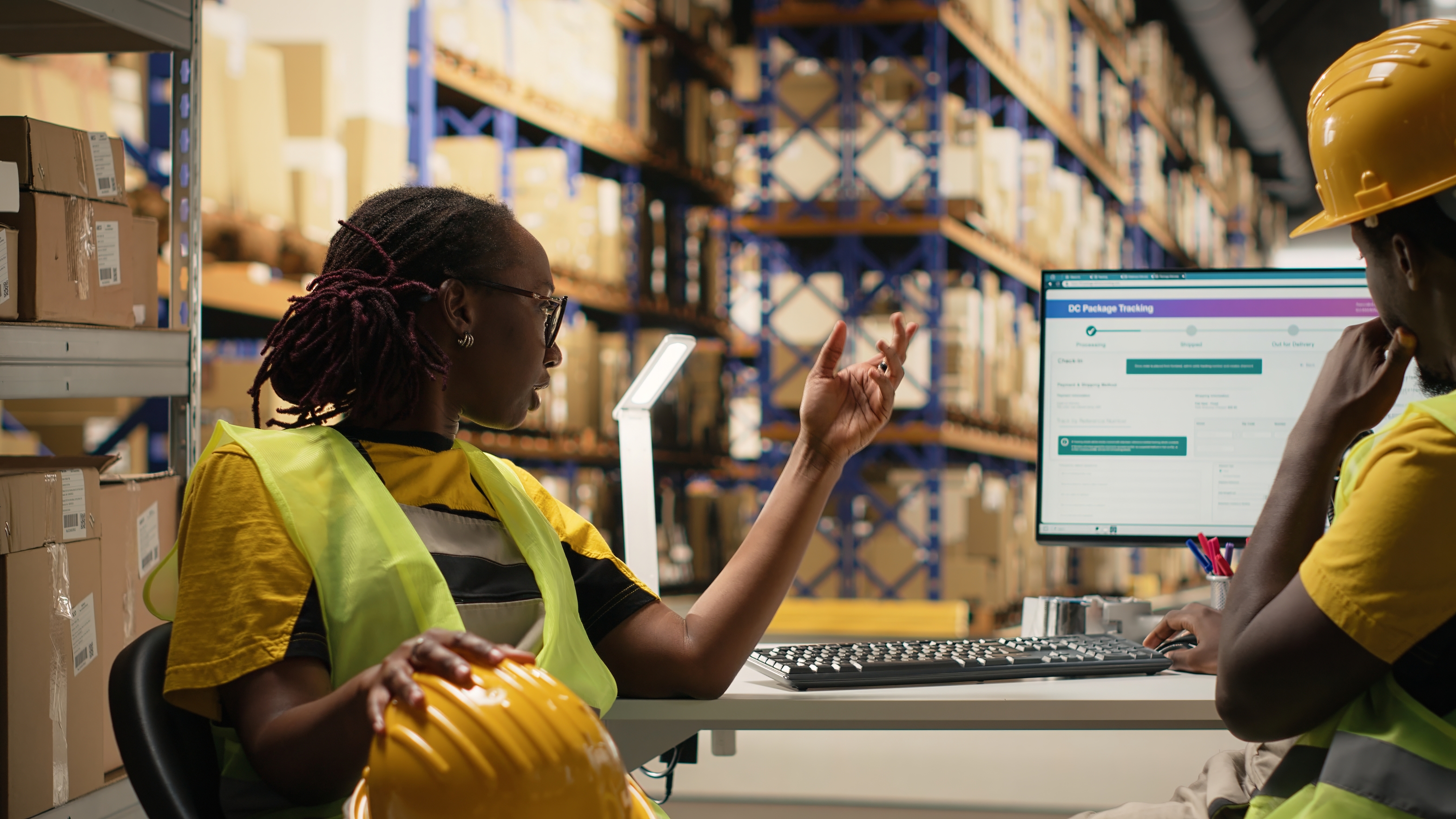
The importance of 3PLs is beyond shipping support. Working with a trusted third-party logistics partner gives your business the efficiency and flexibility it needs to grow.
Reduced Operational Costs
A 3PL removes the need to rent warehouses or hire logistics personnel. Instead, you pay for only the space and fulfillment you use. This helps businesses keep operating costs low while improving efficiency.
Improved Customer Experience
Fast delivery, accurate orders, and professional packaging lead to happier customers and better reviews. Reliable 3PL logistics companies make this possible by handling fulfillment with precision and speed. With organized systems and a well-managed 3PL warehouse, customers receive their orders on time and in good condition.
Access to Expertise and Technology
Managing logistics requires advanced tools for tracking, routing, and inventory control. Reliable third-party logistics partner already has these systems in place. They partner with platforms like Terminal Africa to track shipments, schedule pickups, and manage bookings easily through the app.
Scalability for Growth
Scaling logistics in-house is expensive. More orders mean more space, staff, and tools to manage all. A third-party logistics partner fixes this by increasing capacity as your business grows. This is useful during busy seasons like Black Friday when orders spike.
If you're just getting started, you can also explore our guide on Starting Your Logistics Business with Little or No Money Using T-Hub.
Focus on Core Business Functions
Outsourcing logistics frees you from tasks like coordinating couriers or repacking orders. Instead of managing daily operations in a 3PL warehouse, you can focus on marketing and building your brand to scale.
How to Choose the Best 3PL Provider
A 3PL provider can make or mar your business. Here's how to identify the best 3PL service:
Check their Experience and Reputation
Does the provider know your industry well? Choose a 3PL with a strong track record and experience handling products like yours. For example, if you own a fashion brand, go for a 3PL experienced in handling apparel and accessories.
Consider the Warehouse Location
Do you ever wonder why some brands deliver faster? It's because their 3PL keeps inventory in a 3PL warehouse closer to them. This choice alone can reduce delivery time massively.
Understand Pricing and Cost Structure
Before choosing a 3PL, ensure you understand their pricing. Most businesses outsource to save money, but some 3PL providers add extra fees. So, take time to compare options, ask what's included, and confirm any add-on costs. This is how you protect your budget and choose a third-party logistics partner that saves you money.
Visit Facilities
If you want to know how a 3PL operates, see it for yourself. A visit to their warehouse can tell you more than any proposal or sales pitch ever will. Examine how organized the space is and how the team handles inventory.
If you want to see how successful 3PLs are adapting today, read How Terminal Africa is Empowering 3PLs to Succeed in the Industry.
Transform Your Logistics With Terminal Africa
Now that you understand what a 3PL is, partnering with a technology-driven platform becomes the next smart step.
Today, 3PL providers, small businesses, and individual shippers partner with Terminal Africa to simplify their delivery processes. Our platform gives everything you need in one place: real-time tracking, shipment scheduling, courier options, and more.
If you're ready to give your customers a better delivery experience, download the Terminal app now.
FAQs
1. What is a 3PL?
A 3PL, or third-party logistics, is a company that handles storage, packing, and shipping for businesses.
2. Does every business need a 3PL
Not always, but any business with growing orders, limited space, or slow deliveries will benefit from outsourcing logistics.
3. What is the difference between a 3PL and a warehouse
A warehouse only stores inventory while a 3PL handles warehousing plus shipping, packing, and order fulfillment.
4. How do 3PLs help reduce costs
They offer shared warehousing, bulk shipping rates, and reduced staffing expenses, which help businesses operate efficiently.
5. What is the difference between 3PL and 4PL?
A 3PL handles logistics tasks like warehousing, packing, and shipping. Whereas a 4PL manages the entire supply chain, oversees multiple 3PLs, and coordinates all logistics operations.