
.jpg)

The third-party logistics (3PL) industry is undergoing rapid transformation as 2026 approaches. The global 3PL market is projected to surpass $1.8 trillion by 2026. Growth is expected to continue, reaching $2.43 trillion by 2032.
If you’re new to the concept, read: What 3PL? A Complete Guide for Businesses.
To stay competitive, 3PL providers must adapt quickly. Emerging technologies, environmental regulations, and rising shipper expectations now shape the industry. These forces mark a defining moment for the future of 3PL.
From AI-powered logistics to sustainability-focused operations, the 3PL trends 2026 landscape sends a clear message. Technology in 3PL and strategic alignment now determine success. They are no longer optional.
This guide explores the top 3PL trends to watch in 2026.
Why 3PL Trends Matter in 2026

The logistics industry has fundamentally changed. The 2026 Annual Third-Party Logistics Study by Penn State, CSCMP, Penske, and NTT Data confirms this shift. Shipper expectations now extend far beyond basic transportation.
Moving freight from one location to another no longer meets demand. Shippers now expect continuous improvement, value creation, and smart logistics technology to drive efficiency.
The data support this evolution. 88% of shippers say their 3PL providers solve their logistics challenges, up from 69% the previous year. 75% of shippers report that third-party logistics providers help reduce overall logistics costs, compared to 66% last year. These results highlight the growing importance of third-party logistics partnerships.
See also: 3PL Pricing Guide 2026: How to Save on Logistics
Trend #1: AI-Powered Automation and Intelligent Warehouse Systems
.jpg)
The Automation Revolution in 3PL
AI in logistics has moved from experimentation to essential infrastructure. Capgemini research shows AI adoption increased from 6% in 2023 to 30% in 2025. Today, 93% of organizations actively explore or deploy AI-powered logistics solutions.
At the same time, customs automation technology now plays a critical role in cross-border logistics trends. It reduces delays and improves compliance for international shipments.
Platforms like Terminal Africa already demonstrate how tech-enabled 3PL solutions work in practice. The platform integrates HS code automation powered by artificial intelligence. This feature speeds up documentation and improves accuracy. Shippers can also complete customs duty automation directly on the platform for any destination country, removing the need for multiple tools or external service providers.
The logistics automation market continues to expand rapidly and is expected to reach $88.9 billion by 2026. A 2025 Plain Concepts report predicts that over 80% of commercial supply chain applications will embed warehouse AI and data-driven logistics capabilities by next year.
Real-World Impact and Statistics
Companies that adopt AI in 3PL operations already report measurable gains. Many achieve a 15% reduction in logistics costs after implementing AI solutions. Others record a 35% decrease in inventory levels through predictive analytics in logistics. Service levels improve by as much as 65% with AI-powered optimization.
Technology now plays a major role in provider selection. 90% of shippers consider 3PL technology solutions critical when choosing a partner. However, only 57% of shippers feel satisfied with their provider’s technology capabilities. This gap creates a strong opportunity for leaders in logistics innovation 2026.
Key Technologies Driving 3PL Automation
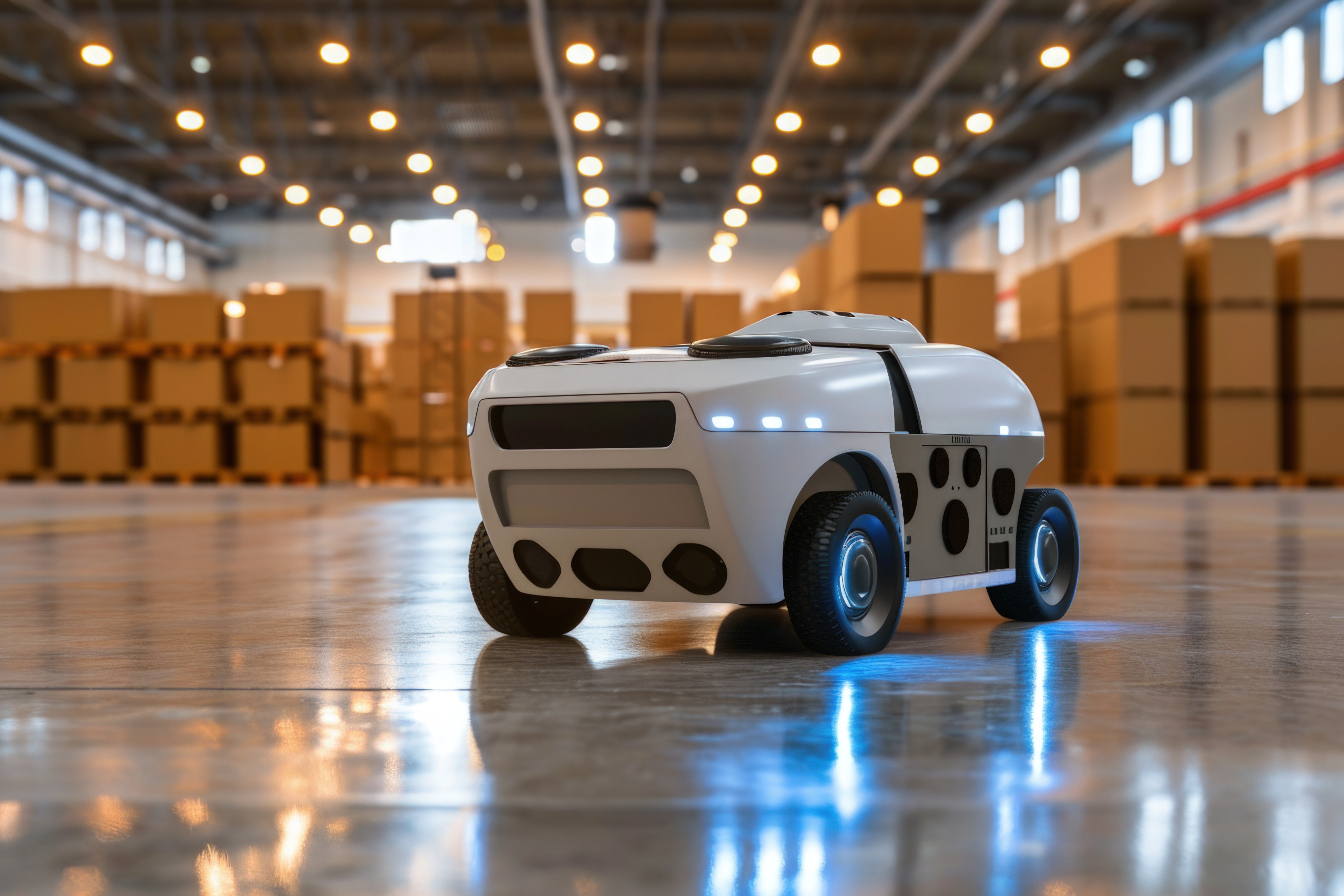
Autonomous Mobile Robots (AMRs)
Autonomous Mobile Robots use AI-powered navigation and real-time data to adapt to changing environments. Industry forecasts suggest AMRs will account for over 60% of new automation deployments in distribution centers by the end of 2026.
Major 3PL providers already deploy this technology. A 2025 Locus Robotics case study shows companies like DHL using robots for picking, unloading, and sorting. These robots integrate with warehouse management systems to increase throughput and improve worker satisfaction.
Predictive Analytics and Machine Learning
Predictive analytics and machine learning in logistics also reshape supply chain planning. AI-driven systems analyze historical data, market trends, and consumer behavior to forecast demand. They optimize routes using real-time traffic and weather data. They automate inventory management to prevent stockouts. They support predictive maintenance by identifying equipment issues before failures occur.
Trend #2: Sustainability and Green Logistics Initiatives
Sustainability now serves as a competitive requirement in the 3PL industry trends shaping 2026. Logistics activities account for approximately 8% of global carbon emissions. Transportation, packaging, and warehousing inefficiencies drive most of this impact.
As a result, companies embed sustainability into their core supply chain strategies. Green logistics initiatives now influence carrier selection, pricing, and long-term partnerships.
Electric Vehicles and Alternative Fuel Adoption
%20(1).jpg)
The shift to electric vehicles and alternative fuels remains one of the most impactful sustainability measures. Electric vehicles emit about 50% less greenhouse gas over their lifecycle than conventional vehicles. Biodiesel can reduce lifecycle emissions by up to 86%.
By 2023, electric vehicles were projected to make up 30% of delivery fleets in Europe. 3PL providers that transition to electric fleets report a 35% reduction in last-mile emissions. Industry leaders like DHL, UPS, FedEx, and Amazon continue investing in sustainable logistics technology.
Energy-Efficient Warehousing and Route Optimization
Sustainable warehousing focuses on efficiency and waste reduction. Many 3PL providers operate solar-powered and LEED-certified facilities. Smart climate control systems reduce electricity usage through energy-efficient HVAC and lighting. IoT-enabled devices monitor energy use across storage and temperature-controlled zones.
At the same time, AI-powered route optimization delivers measurable benefits. Clients using optimized routing report an average 18% reduction in fuel costs. Advanced algorithms analyze traffic patterns, weather conditions, and delivery schedules in real time. GPS tracking and IoT devices enable dynamic route adjustments that reduce congestion and idle time.
Sustainable Packaging Solutions
Lately, 3PL providers adopt biodegradable shipping materials to reduce environmental impact. They optimize package sizing to lower waste and carbon footprints. Many warehouses report a 22% decrease in landfill contributions after implementing sustainable packaging practices.
Trend #3: Strategic Partnerships Over Transactional Relationships
The 3PL industry continues to redefine how shippers and logistics providers collaborate. Relationships now shift from transactional pricing models. Strategic partnerships built on trust and adaptability define the future of third-party logistics.
The 2026 Third-Party Logistics Study shows that shippers focus on resilience, cost optimization, and navigating complex global logistics networks. They also pursue digital transformation in logistics initiatives to improve visibility.
At the same time, 3PL providers focus on delivering end-to-end visibility, offering value-added services, scaling efficiently, and staying competitive.
Be Flexible and Ready
As 3PL trends 2026 continue to evolve, businesses will prioritize partners that deliver speed, transparency, and control. The future of 3PL is platform-led, automated, and powered by intelligent systems.
Terminal Africa stands out by embracing these trends, helping businesses scale confidently through digital 3PL platforms, smarter compliance tools, and real-time shipment visibility. For companies preparing for the next phase of logistics, choosing technology-first solutions like Terminal Africa will be key to long-term success.


%20(1)%20(1).jpg)


