
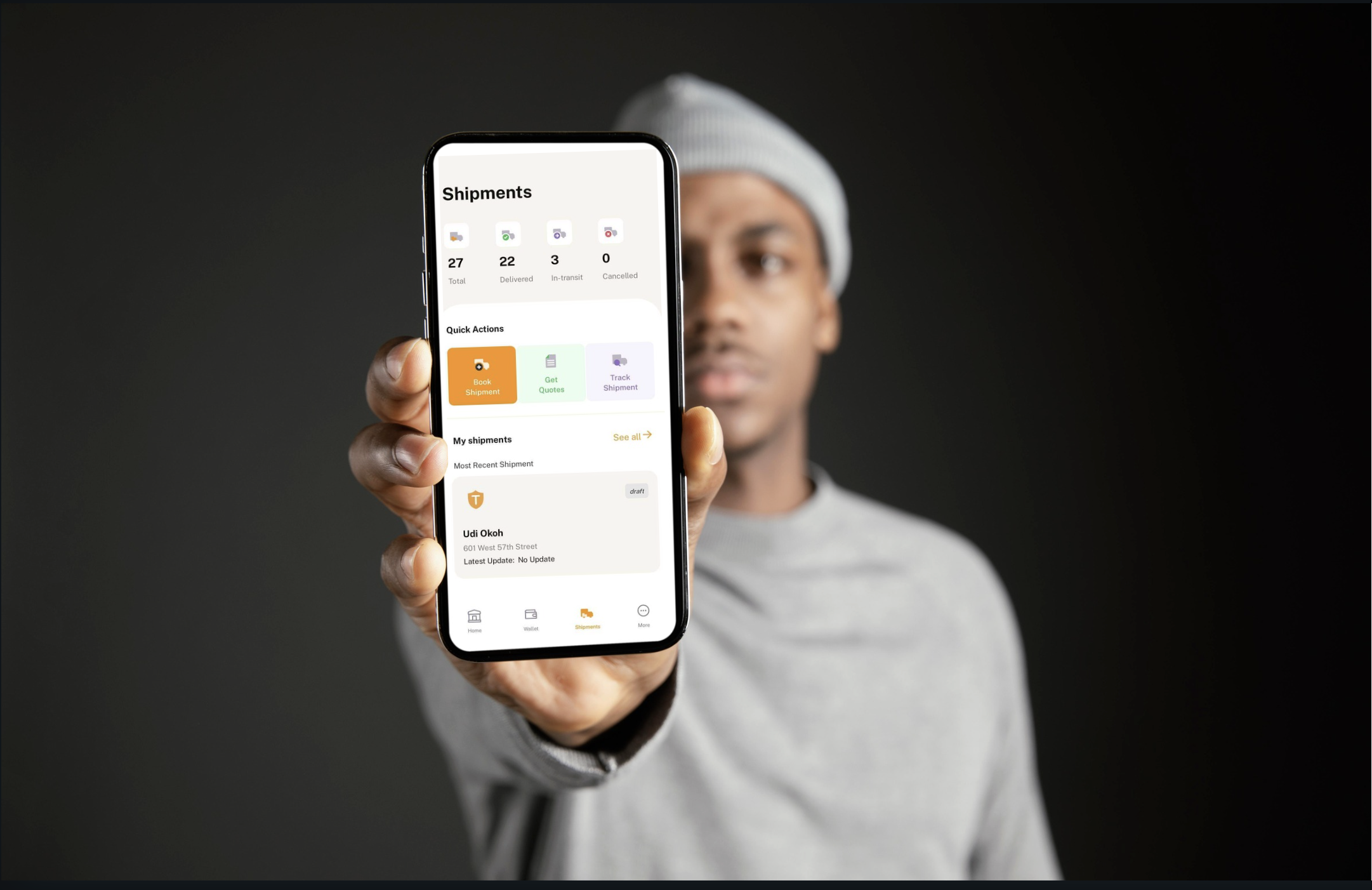

When we first began building Terminal, Nnamdi and I approached it the way most of us were taught to think about software, through the lens of a desktop. We spent long nights sketching screens that looked great on laptops, obsessing over dashboards, analytics panels, and all the visual order that came with large displays. It made perfect sense at the time.
We grew up around computers. Our university years revolved around desktop labs, coding projects, and excel-heavy coursework. Even in our professional lives, laptops were where business happened. So naturally, when it came time to build a logistics platform, we designed for the environment we knew best… the desk.
From Desktop Thinking to a Mobile-First Reality in African Logistics

But our users were telling a different story.
Over time, as more African merchants began using Terminal, we started seeing a pattern. Many people weren’t sitting behind desks. They are in motion, running shops, managing drivers, handling customers, making deliveries and solving problems on the go. Their “office” was wherever their phone was. And we realized: we had to meet them there.
How African Businesses Redefined Terminal’s Product Direction
That realization became a turning point for Terminal. We began rethinking everything (from interface to workflow) around the mobile experience. Because of our users, logistics doesn’t pause when they leave the office. Business happens in transit, between calls, in traffic, and sometimes even mid-delivery.
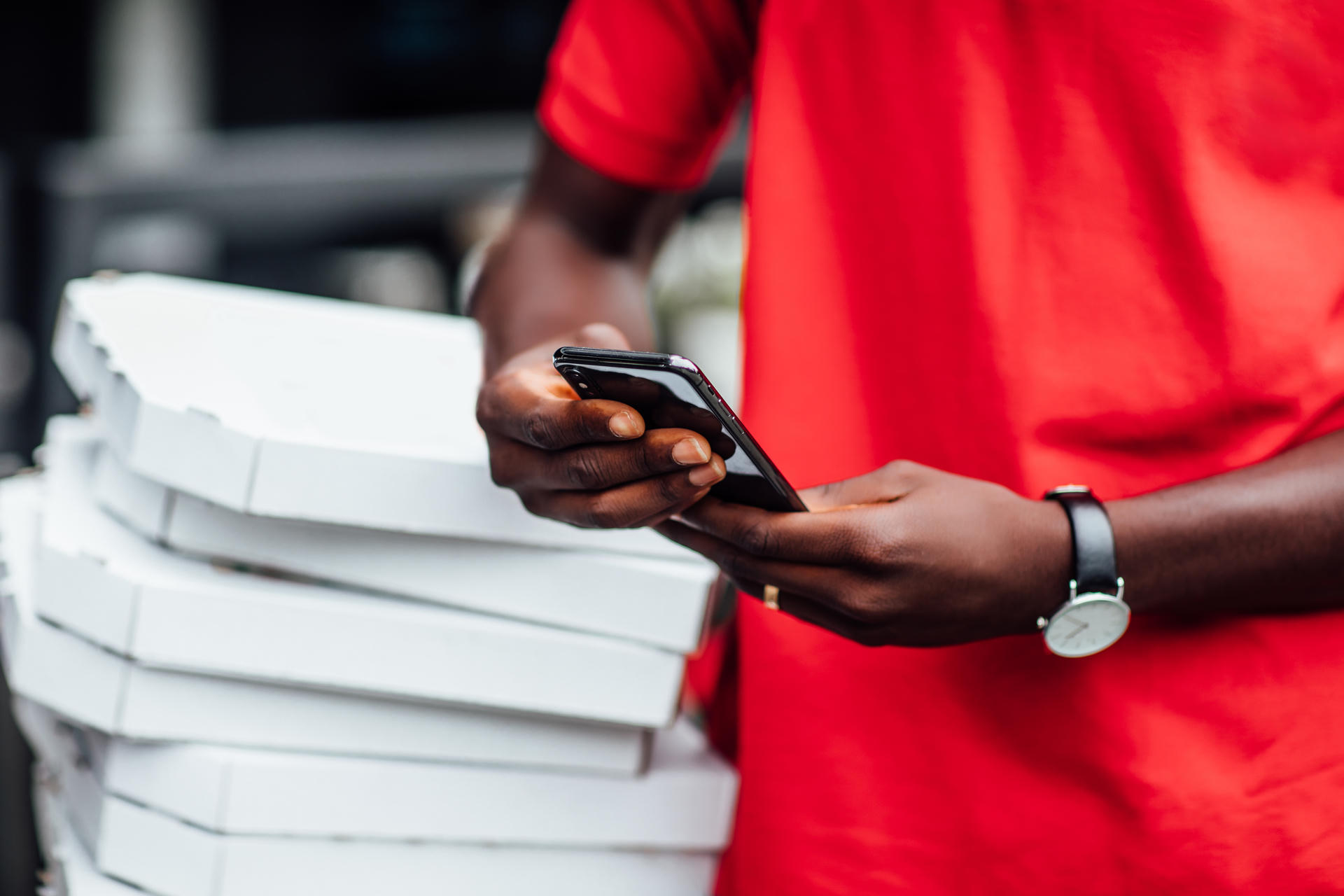
Mobile-first wasn’t just a design choice. It was a mindset shift.
As one of our early small business owners in Lagos told me recently, “If it doesn’t work on my phone, it doesn’t work for me my business.” That line stayed with me. It captured the urgency of what modern logistics means in Africa today. Businesses want visibility, control, and simplicity, but that want (need) it in their hands, not solely on a distant screen.
Building Terminal for Real-Time, On-the-Go Logistics
So we pivoted. We built Terminal…that feels less like enterprise software and more like a companion
fast, light and responsive.
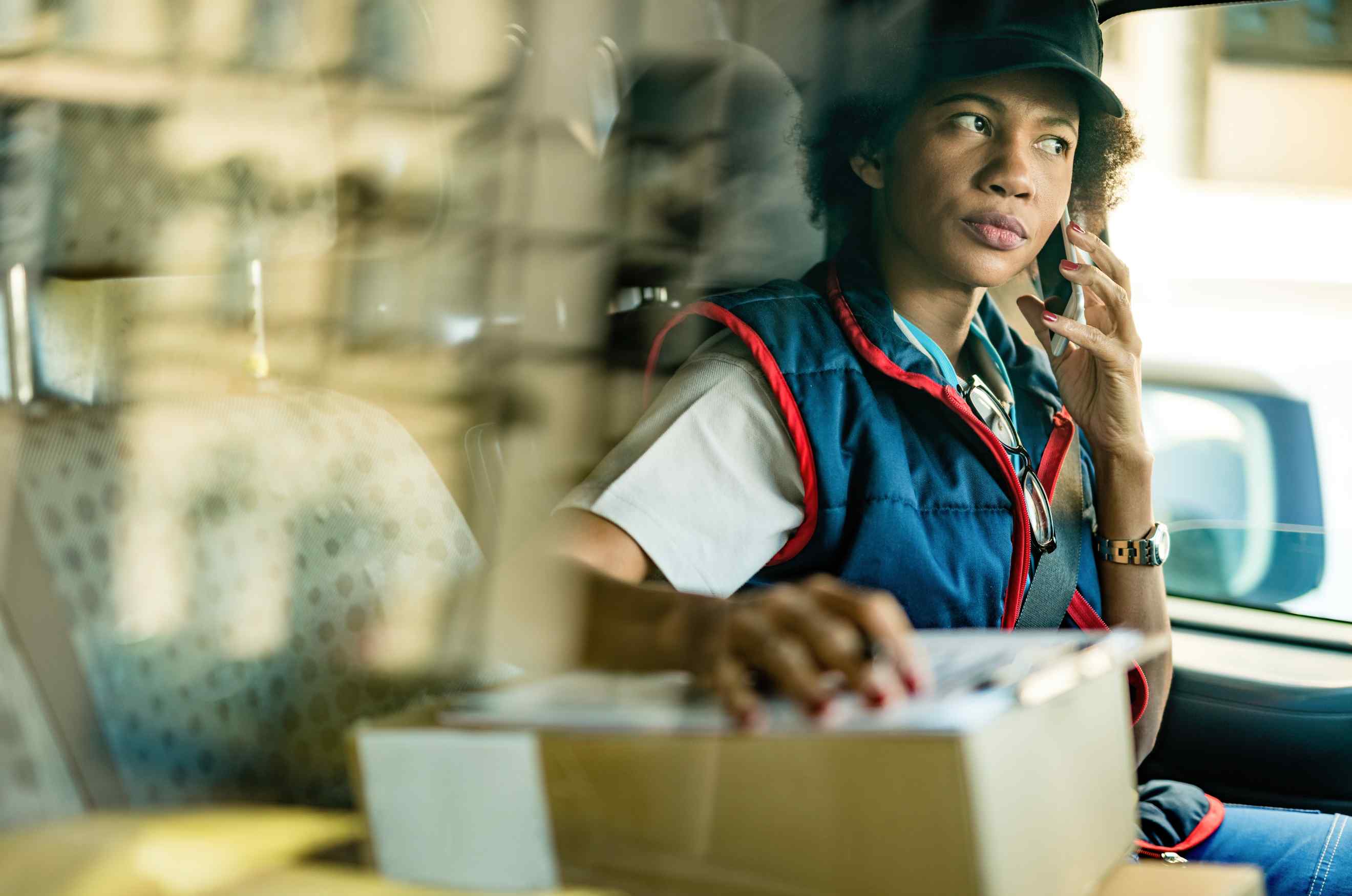
3PL’s can monitor shipments while they’re on the move. Merchants can schedule pickups while attending to customers. Users can get real-time shipping updates without breaking their flow.
What began as a logistics dashboards has evolved into something much more human: a tool that adapts to how people already live and work.
This mobile-first orientation has reshaped not only our product but our philosophy. It’s made us more agile as a company, more connected to our users, and more attended to the rhythm of African commerce.
Because here’s the truth, Africa’s economy is already mobile. Payments, marketing, customer service all live on the same screen. Logistics has to follow. Investors who understand this see mobile not as a feature, but as infrastructure: the foundation for scalability, data, and innovation.
At Terminal, we like to say we’re building for the way Africa moves. That’s not just about speed and simplicity, it’s about understanding context. Our users aren’t sitting in office towers waiting for dashboards to refresh. They’re out there moving goods, serving customers, and building businesses. So our technology has to move with them.
The future of logistics isn’t a far vision, it’s already here. It’s the driver in Port Harcourt checking his next drop-off route on his phone. It’s the merchant in Accra tracking a shipment to a customer in real time. It’s the operations manager in Nairobi closing her day from her kitchen table, not her office chair.
Why Mobile-First Logistics Is Africa’s Competitive Advantage
The control room has gone mobile. The dispatcher now fits in your pocket. The network is in your hand.
And as the logistics industry continues to evolve, one thing is becoming clear: the companies that thrive will be those that design for this new rhythm, where visibility, speed, and decision-making all fit in your pocket.
We learned that lesson by living it.
And today, every time I see a merchant track their shipment on their phone, I'm reminded of how far we’ve come from designing for the desk, to building for the world in motion.
Because the future of logistics isn’t just connected, it’s mobile, human, and already in your hand.

By Udi Okoh,
Co-Founder / COO, Terminal Africa.
LinkedIn.


%20(1)%20(1).jpg)


